
Which actor from "Dong Tien Xuong Mau" owns a vast collection of rare ceramic antiques?
- 23 thg 7, 2025
- 3 phút đọc
Đã cập nhật: 24 thg 7, 2025
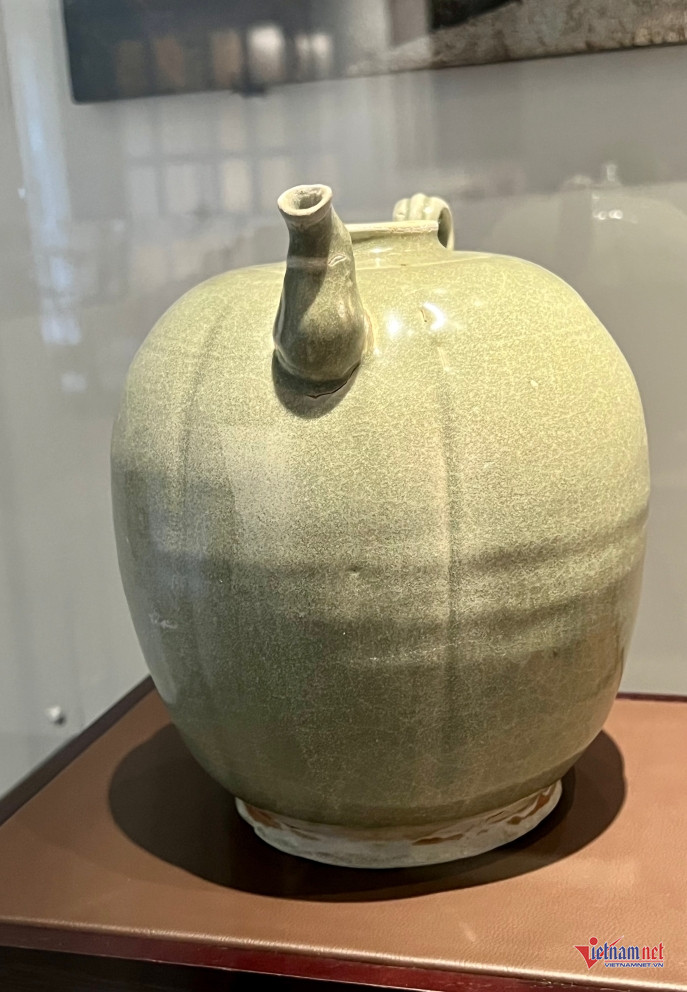
Ancient ceramics on display at the Dựng Nước Ceramics Museum, founded by actor Chi Bảo, date back thousands of years. Among them, a Đông Sơn culture ceramic steamer (chõ) has been officially recognized as a National Treasure.
The Dựng Nước Ceramics Museum hosts both permanent and thematic exhibitions, featuring over 400 artifacts — including one National Treasure and a range of unique collections.
The Đông Sơn steamer is made of terracotta, fired at high temperatures (about 800–900°C). It is an original, one-of-a-kind object with extraordinary historical and cultural value. As a treasured item from the ancient Vietnamese during the Hùng Kings era, it has been highly regarded in the hierarchy of Đông Sơn ceramics by archaeologists.

According to Chi Bảo, the museum’s director, the artifact may appear simple but holds great significance — especially considering that most people associate the Đông Sơn period solely with bronze drums.“Though rustic and unadorned, ceramics deeply move us. In our culture, there are also humble things that carry immense value,” he said.

While many collectors favor bronze or silver, ancient ceramics often go unnoticed. Nonetheless, the museum has gathered and preserved over 400 ceramic artifacts from pre-Đông Sơn cultures such as Phùng Nguyên, Đồng Đậu, and Gò Mun, as well as contemporaneous ones like Sa Huỳnh and protohistoric artifacts from the Đồng Nai River basin. Collections also include pieces from later periods of Vietnam’s independent feudal history.
Chi Bảo chose ceramics as they represent the origins of life in early Vietnamese civilization. For him, a single item can evoke the lifestyle and spirit of past generations.“I’ve visited museums around the world, but I always focus on ceramics,” he shared. “Vietnamese ceramics may not be massive or technically superior, but they’re full of charm and reflect the soul of Vietnamese people through the ages.”
The process of collecting artifacts wasn’t easy — involving meticulous searching, negotiation, and persuasion.
Chi Bảo hopes the museum will serve as a bridge between past and present, sparking pride in Vietnam’s ancient culture. He studied the models of many international museums to design the space, though full replication was limited by resources — some display cases alone cost hundreds of thousands of dollars and come with automated systems. He said upgrades are in consideration for the future.
“We envision this place as a leading cultural and historical destination — where every object tells the story of our roots,” Chi Bảo said.


The museum also provides valuable resources for research in history and archaeology, while educating the public about Vietnam’s cultural heritage. It aims to foster community engagement, offering diverse experiences and instilling cultural pride — especially among younger generations.
In the coming months, the museum plans to host educational workshops for students, collaborate with universities and domestic and international museums, and expand its research materials.
The Dựng Nước Ceramics Museum operates under Circular No. 18/2010/TT-BVHTTDL (dated December 31, 2010) issued by the Ministry of Culture, Sports and Tourism, and adheres to all relevant legal regulations. It is under the state management of the Department of Culture and Sports and the local authorities where the museum is located.


Bình luận